Structured to show foundation, international progression, project scale growth, and current flagship responsibility.
2001–2007
Foundation in the Philippines
Developed core experience in construction delivery, project engineering, and early planning exposure before moving into international roles.
Built practical construction and coordination foundation
Established discipline in site delivery and project control fundamentals
Created the base for later planning and scheduling progression
2007–2010
First International Exposure in Macau
Transitioned into international project environments and gained experience on large hospitality and mixed-use developments, while continuing professional growth in planning and project management.
First overseas exposure in Macau from 2007
Expanded from local foundation into international delivery settings
Strengthened planning and scheduling direction through continued development
2010–2021
Macau to Hong Kong Progression
Advanced through planning engineer and senior planning roles across complex building, cultural, hospitality, and infrastructure-related developments.
Macau: Sands Cotai Central and Galaxy developments
Hong Kong: Science Park Phase 3, M+ Museum, East Kowloon Cultural Centre
Broadened exposure across civil, ABWF, and MEP-linked planning scope
2021–Present
Flagship Responsibility at HKIA
Currently positioned on one of the strongest portfolio anchors: a major airport programme with live operational constraints and multi-package complexity.
HKIA 2nd Runway Modification as flagship project
High interface intensity across civil, utilities, airport systems, and ancillary works
Senior-level planning role under live delivery pressure
Command Center
Core planning and project controls capabilities focused on programme visibility, progress control, risk awareness, and interface coordination across complex delivery environments.
Operating Context
Complex delivery environments involving live operations, multi-package coordination, restricted access conditions, and schedule-sensitive milestones.
Primary Strength
Turns contractor-informed execution judgment into structured programme visibility, progress control, interface clarity, and decision support.
Management Focus
Highlights what matters most to leadership: milestone exposure, sequencing pressure, recovery realism, and risk if left uncontrolled.
Programme Planning
Establishes credible baseline programmes and planning submissions that reflect actual sequence logic, delivery conditions, and milestone structure.
What is controlled
Baseline programme quality, logic structure, milestone alignment, constraints, and submission credibility across work packages.
How it is done
Reviews Primavera P6 schedules for weak logic, unrealistic constraints, missing handovers, and sequencing gaps, then checks alignment against actual project obligations and site conditions.
Why it matters
Controls programme credibility, protects critical path visibility, and ensures management decisions are based on reliable schedule logic.
Risk if uncontrolled
Loss of control over sequencing and logic can distort critical path, hide delay exposure, and reduce ability to respond before milestones are impacted.
Technical Publications & Industry Contributions
These publications demonstrate independent technical contribution to the field of project controls and infrastructure planning, with focus on improving programme-level decision-making and delivery reliability.
Technical Publications
Structured frameworks for programme risk, delay awareness, and delivery control
These articles examine how programme-level risks develop, how early delay signals can be identified, and how planning systems can support more reliable infrastructure delivery decisions.
Framework developmentPresents structured planning and delay-awareness models based on complex project delivery conditions.
U.S. infrastructure relevanceConnects planning, delay detection, interface coordination, and public infrastructure delivery reliability.
Technical communicationCombines written analysis with visual frameworks to explain programme risks, delay signals, and decision pathways.
Article 01 | Programme Failure
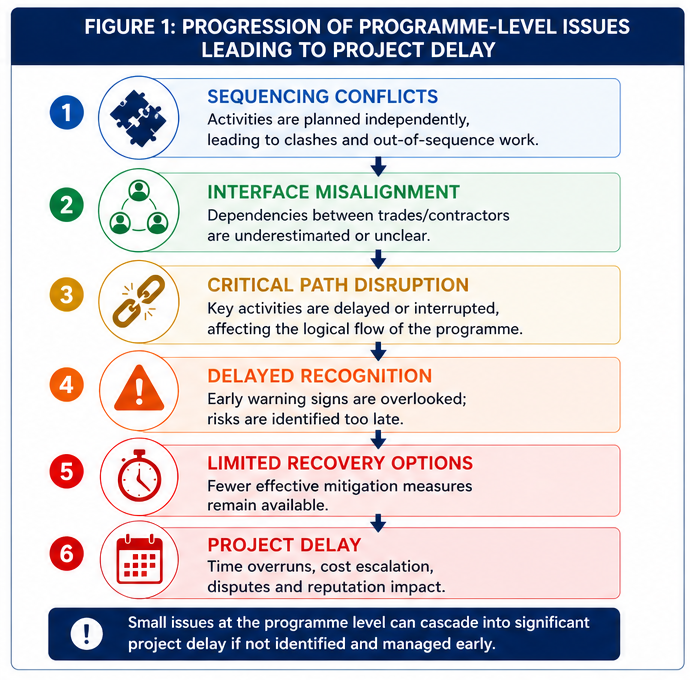
Why Large Infrastructure Projects Fail at the Programme Level
Explains how sequencing conflicts, interface misalignment, critical path disruption, and delayed recognition can progress into project delay.
Figure 1. Programme-Level Failure Flow
Illustrates how sequencing conflicts, interface misalignment, and delayed recognition propagate into critical path disruption and programme-level delay.
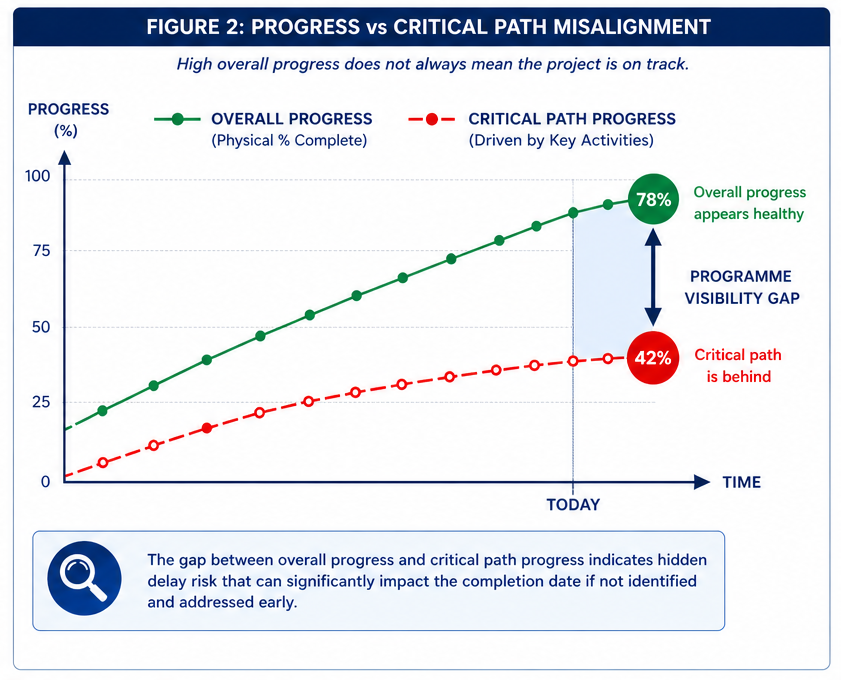
Figure 2. Progress vs Critical Path Misalignment
Demonstrates how visible progress can diverge from actual critical path movement, leading to false confidence in programme status.
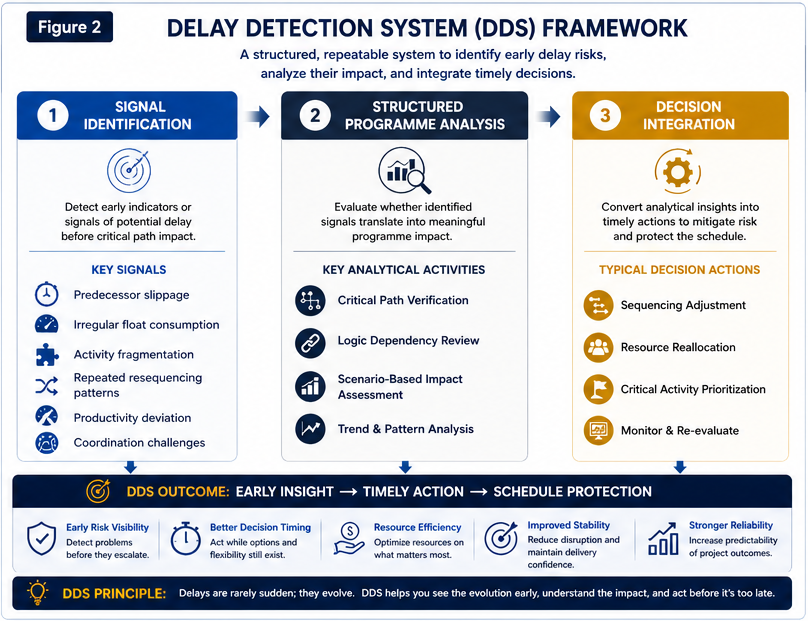
Figure 3. Delay Detection System (DDS) Framework
Presents a structured system for identifying early delay signals, validating programme conditions, and supporting decision-making integration.
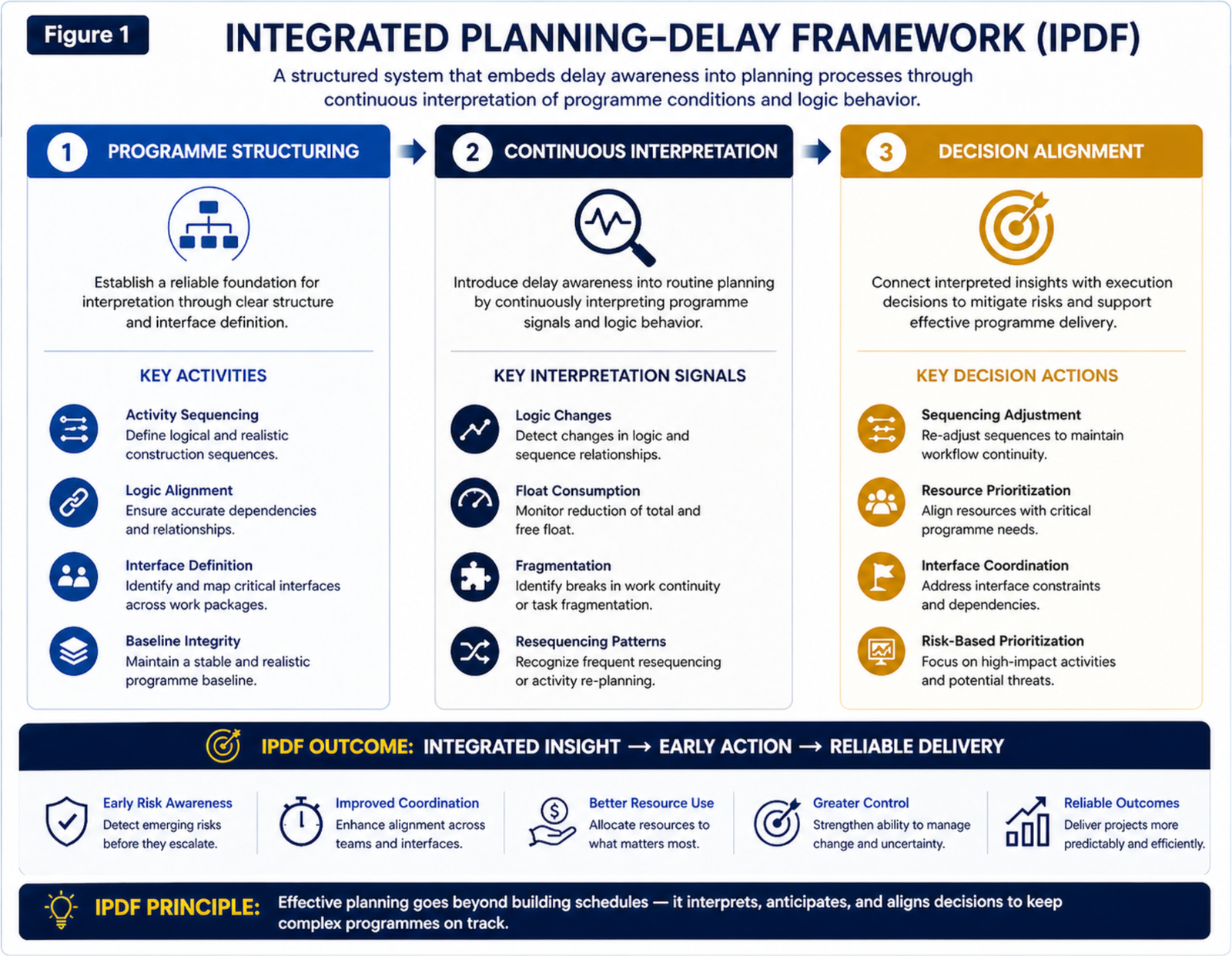
Figure 4. Integrated Planning-Delay Framework
Connects planning, delay awareness, and execution decisions into a continuous programme interpretation model.
Selected Project Experience
Selected project experience across live operational environments, cultural infrastructure, complex buildings, and multi-package delivery conditions.
Environment
Active airport works under live operational constraints, restricted access windows, and high dependency across civil, utilities, fuel, systems, pavement, and ancillary works.
Scale
Major infrastructure programme involving vehicular tunnel, box culvert, aviation fuel system, underground utilities, land formation, AGL system, airport systems, and airfield pavement scope.
What was controlled
Programme logic, milestone exposure, interface dependencies, package alignment, and the realism of progress and recovery positions in a schedule-sensitive delivery environment.
Impact
Protected visibility of interface-driven delay risk and milestone exposure within a live operational environment, allowing earlier recognition of sequencing pressure and potential disruption.
Environment
High-specification building with theatres, dance studio, music lab, restaurants, foyer, rehearsal rooms, carpark, and multiple specialist spaces requiring coordinated sequencing.
Pressure Context
Dense activity network, trade stacking risk, evolving interfaces, and heavy coordination pressure across architectural, building services, and finishing packages.
What was controlled
Integrated programme logic, handover dependencies, slippage visibility, and recovery position review in a complex multi-trade environment.
Impact
Reduced interface-driven sequencing risk and improved control over multi-trade coordination, strengthening visibility of programme pressure across critical workfronts.
Environment
Large-scale cultural development with research and development building interfaces, mega trusses, skylight, gallery and exhibition rooms, open cinema, and interface carpark works.
Pressure Context
High structural and architectural coordination demand with sequencing sensitivity across major components and finishing interfaces.
What was controlled
Programme logic and sequence alignment across structural and architectural phases to maintain stable critical workfront progression.
Impact
Maintained sequence stability across structurally complex phases, reducing disruption risk and protecting continuity of critical workfront progression.
Science Park Phase 3
Research and development buildings, exhibition hall, basement carpark, retail and ancillary facilities, landscape, link bridge, PTI, and service tunnel works within a complex development programme.
Galaxy Macau
Integrated resort delivery involving Ritz Carlton, JW Marriott, retail space, gaming areas, podium and roof tropical garden, water slide, and lazy river scope.
Sands Cotai Central
Hospitality-led project environment involving Sheraton, Holiday Inn, Conrad hotels, and casino delivery under large-scale programme coordination conditions.
Combined Value
Demonstrates sustained delivery across large-scale, multi-stakeholder environments requiring coordination control, sequencing discipline, and programme stability.
Professional Engagement
Available for technical consultation, programme advisory, and project controls engagement...
Where this profile adds value
Applicable across programme planning, project controls, progress monitoring, interface coordination, and contract-aware schedule review within complex infrastructure and major capital project environments.
Role fitSenior Planning Engineer, Planning Manager, Project Controls Engineer, and Programme Controls Specialist roles.
Professional positioningContractor-informed, client-aware, and aligned to integrated project delivery monitoring and management decision support.
Contact for Professional Engagement
Available for professional engagement involving programme oversight, schedule control, interface coordination, delay awareness, and project controls review across complex delivery environments.
Geographic profile25+ years total experience, including 19 years across Hong Kong and Macau in high-density, multi-package delivery environments.
Contract awarenessNEC4 Contract Training completed in Hong Kong, 2023.
ContactAvailable for direct professional discussion via email.